
The Real Life of a Car: Depreciation, Wear, and Long-Term Value

A vehicle’s story does not end when it leaves the showroom. Over time, mileage accumulates, components wear, technology evolves, and market preferences change. These factors influence the vehicle’s condition, usefulness, and eventual resale value.

Understanding how vehicles age can help owners make more informed decisions about maintenance, replacement, and long-term ownership.

Why Vehicles Lose Value

Depreciation is the reduction in a vehicle’s market value over time. New vehicles often experience substantial depreciation during their early years, although the pattern varies by model, demand, availability, and broader market conditions.

Several factors influence depreciation. Reliability reputation, fuel efficiency, repair costs, safety features, brand perception, and the availability of replacement parts can all affect how a used vehicle is valued.

Changes in technology can also influence demand. A vehicle with outdated connectivity features or limited compatibility with newer systems may appeal to a different group of buyers than a model with more recent equipment.

However, age alone does not determine value. A well-maintained older vehicle may remain useful and desirable, while a newer vehicle with extensive damage or a poor maintenance history may be less attractive.

Mileage Tells Only Part of the Story

Mileage is one of the most visible indicators of vehicle use, but it does not fully describe a vehicle’s condition.

A car that has accumulated many highway miles under consistent maintenance may have different wear patterns from one that has spent years in heavy stop-and-go traffic. Frequent short journeys can place different demands on an engine and exhaust system than longer trips that allow operating temperatures to stabilize.

Driving style, road surfaces, climate, storage conditions, and maintenance history also influence wear.

When evaluating a used vehicle, mileage should therefore be considered alongside service records, inspection findings, visible condition, and the vehicle’s overall operating history.

Maintenance Protects Function, Not Every Dollar of Value

Regular maintenance helps preserve reliability and may prevent avoidable mechanical damage. Replacing worn components, maintaining correct fluid levels, inspecting tires, and addressing warning indicators can contribute to a longer service life.

Documentation strengthens the value of this work. A clear maintenance history gives future owners more information about how the vehicle has been cared for.

Nevertheless, maintenance does not guarantee that a vehicle will retain a particular market value. Demand, age, accidents, technological change, and economic conditions can influence resale prices independently of mechanical condition.

Repairs Require a Practical Perspective

When a vehicle needs repairs, owners may face a choice between restoring it, postponing the work, or replacing the vehicle.

The decision depends on the type of fault, repair complexity, the vehicle’s condition, expected future maintenance, and the owner’s transportation requirements. A relatively inexpensive repair may restore useful service for years, while recurring failures can indicate a larger pattern of deterioration.

It is important to distinguish between maintenance that keeps a vehicle functional and cosmetic work intended primarily to improve appearance. Both may have value, but their practical effects are different.

A professional inspection can help clarify the condition of important systems before a major decision is made.

Total Ownership Involves More Than Purchase Cost

The overall cost of owning a vehicle includes fuel or electricity, maintenance, repairs, registration requirements, insurance, financing where applicable, and depreciation.

Different vehicles distribute these expenses differently. A model with strong energy efficiency may require specialized components, while a conventional vehicle may involve more frequent engine-related maintenance.

The cheapest individual expense does not necessarily produce the lowest total cost over the period of ownership. Reliability, repair availability, expected usage, and the time a vehicle spends unavailable for driving may also matter.

When Is It Time to Move On?

There is no universal age or mileage at which a vehicle should be replaced. A vehicle can remain practical for many years when its structure is sound, essential systems function correctly, and maintenance remains manageable.

Replacement becomes more compelling when safety concerns cannot be addressed adequately, reliability no longer meets the owner’s needs, or repeated repairs create unacceptable disruption.

The most useful approach is to evaluate a vehicle according to its actual condition and intended use rather than treating age as the sole deciding factor.

A car’s long-term value reflects the interaction between engineering, care, demand, and changing expectations. Owners who understand these forces can make more thoughtful decisions throughout the vehicle’s life.
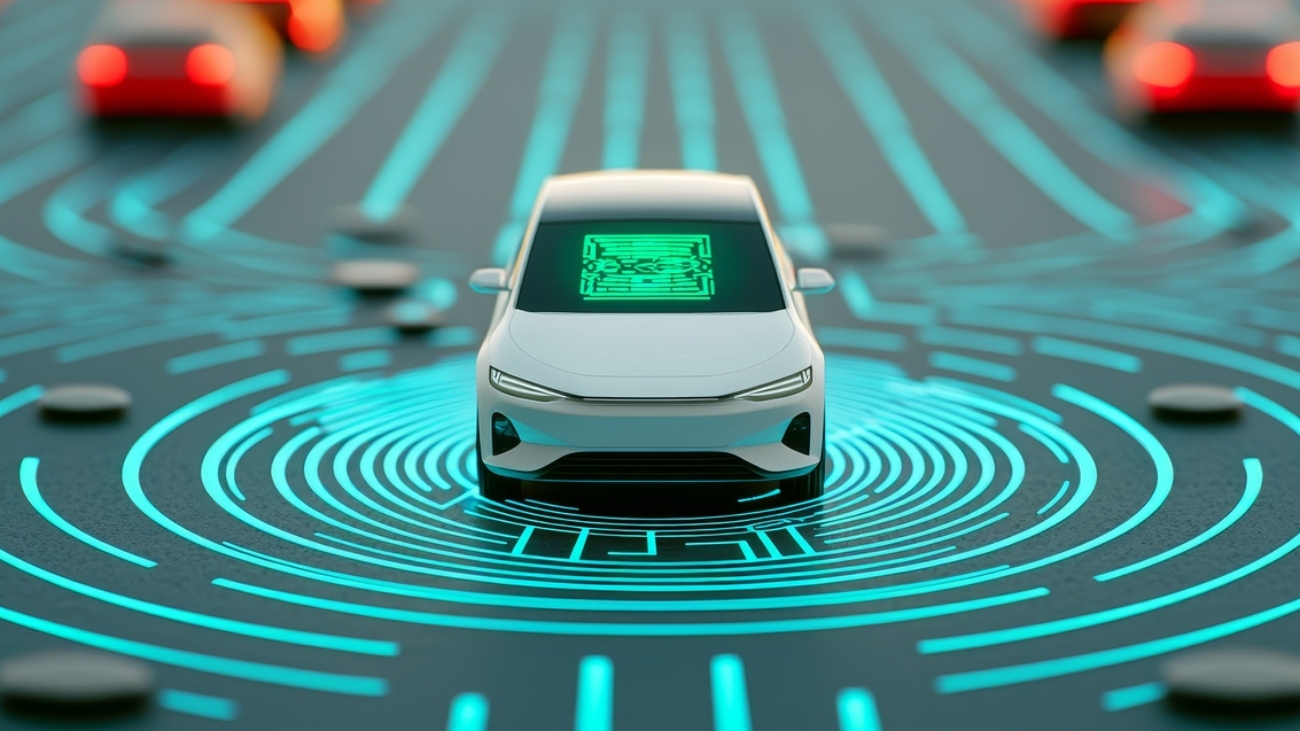

A futuristic car is surrounded by digital signals, illustrating advanced communication in a smart driving environment.

What Will Auto Insurance Look Like in a World of Autonomous Mobility?

The relationship between transportation and insurance is evolving as vehicles gain more automated capabilities, digital systems become increasingly connected, and mobility services introduce alternatives to traditional private ownership. These changes raise important questions about responsibility, risk assessment, privacy, and the way financial losses may be handled after an accident.

The future is unlikely to be defined by one technology or one universal insurance model. Instead, it will emerge through the interaction of vehicle engineering, regulation, consumer behavior, and the practical experience of managing claims.

Automation Exists on a Spectrum

The term “autonomous vehicle” can create the impression that a car independently manages every driving situation. In practice, automated driving capabilities vary considerably.

Some systems provide warnings or assist with specific tasks, such as maintaining distance from another vehicle. More advanced systems can control multiple aspects of driving under defined conditions. Their operating boundaries may depend on road type, speed, weather, mapping, sensor performance, and other requirements.

The distinction between assistance and automation is important because responsibility depends partly on what the system is designed and authorized to do. Drivers must understand when they are expected to monitor the road, respond to warnings, or take control.

Responsibility May Become More Complex

In a conventional accident, an investigation may focus on driver behavior, road conditions, vehicle condition, and other established factors. Automated systems introduce additional questions.

Investigators may need to determine whether a sensor detected an obstacle, whether software interpreted the information correctly, whether a driver ignored a warning, or whether a component malfunctioned. A single incident may involve several contributing factors.

This does not mean that responsibility automatically shifts from drivers to manufacturers. Liability depends on the circumstances, applicable law, available evidence, and the roles of the parties involved.

As vehicle automation develops, insurance procedures may need to account for a wider range of technical evidence.

Software Becomes Part of Vehicle Reliability

Traditional vehicle maintenance focuses heavily on mechanical components. Connected and automated vehicles also depend on software, sensors, communication systems, and electronic control units.

Software updates may introduce improvements or address known vulnerabilities, but they can also change system behavior. Manufacturers and service providers must manage updates carefully, while vehicle owners should follow relevant instructions and pay attention to safety notices.

Cybersecurity is another consideration. Unauthorized access to connected systems can create privacy risks and, in certain circumstances, concerns about vehicle operation. Secure software design, authentication, and responsible vulnerability management are therefore relevant to transportation safety.

Data Could Reshape Claim Investigations

Connected vehicles may record information about speed, braking, steering inputs, sensor detections, and system status. When available and legally accessible, these records can help reconstruct the moments leading up to an incident.

More detailed data may make some investigations more precise, but it also creates questions about consent, ownership, retention, and access. Information that is useful for understanding an accident may also reveal travel patterns or other sensitive details.

A responsible approach requires clear rules about what is collected, why it is needed, and how it can be used.

Shared Mobility Changes Exposure

Car-sharing services, subscription arrangements, and mobility platforms can change how people access vehicles. Instead of one owner using one car, a vehicle may be operated by different people or managed by a service provider.

These arrangements can complicate questions about who is insured, when coverage applies, and which party is responsible for particular losses. The details depend on the structure of the service and the contractual relationships involved.

As shared mobility expands, insurance arrangements may increasingly need to reflect temporary access, multiple users, and different patterns of vehicle utilization.

The Road Ahead

Future insurance systems may use more connected data, more automated assessment tools, and increasingly specialized coverage structures. However, progress will depend on more than technical capability. Reliability, transparency, legal clarity, privacy protection, and public confidence will remain essential.

Even in a highly automated transportation environment, accidents, equipment failures, extreme weather, and unexpected events will not disappear entirely. Financial protection will continue to play a role, although the way risks are measured and responsibilities are assigned may change.

The most useful way to understand this future is not as a sudden replacement of traditional insurance, but as a gradual transformation. As mobility evolves, insurance will need to adapt to new technologies while preserving its central purpose: defining financial responsibilities when uncertain events lead to loss.

Чи була ця розмова корисною для вас дотепер?

The Unwritten Rules of the Road That Make Traffic Flow

Traffic operates through a combination of formal regulations and informal patterns of cooperation. Signals, signs, lane markings, and right-of-way rules establish the legal framework, but the everyday movement of vehicles also depends on anticipation, communication, and predictable behavior.

When drivers understand how their actions affect surrounding traffic, roads can function more smoothly. When expectations conflict, even a relatively minor misunderstanding can create congestion or increase the risk of a collision.

Predictability Is a Form of Communication

Every movement behind the wheel communicates information. A turn signal indicates an intended direction, braking lights warn following drivers that speed is decreasing, and positioning within a lane can reveal an approaching maneuver.

These signals work only when they are used consistently and interpreted with care. A turn signal does not automatically grant priority, and other road users may not always notice it.

Drivers should signal in advance, check that a maneuver is safe, and avoid sudden changes in direction. Predictable movement gives others more time to understand what is happening and adjust their own behavior.

Merging Requires Cooperation

Merging becomes difficult when vehicles compete for limited space. Some drivers accelerate aggressively to enter a gap, while others deliberately prevent nearby vehicles from joining the lane.

A smoother approach involves adjusting speed, observing available space, and allowing traffic to merge where appropriate. On roads designed for zipper merging, vehicles from adjoining lanes may alternate as the lanes converge, helping distribute traffic more evenly when drivers cooperate.

The exact procedure depends on road markings, signs, and local rules. Drivers should follow the applicable requirements rather than assuming one merging method is appropriate everywhere.

Large Vehicles Need Different Consideration

Trucks, buses, and vehicles towing trailers have different handling characteristics from passenger cars. They may require more room to turn, need longer distances to stop, and have larger blind spots.

Cutting closely in front of a heavy vehicle can leave its driver with insufficient distance to react. Remaining beside a turning truck can also create danger if the trailer moves across the space occupied by another vehicle.

Giving large vehicles additional room is not simply courteous. It reflects the physical limitations of vehicle size, mass, and maneuverability.

Pedestrians and Cyclists Need Space

Road users who are not protected by a vehicle’s structure are especially vulnerable in a collision. Drivers should scan for pedestrians near crossings, watch for cyclists approaching from behind, and check blind spots before turning or opening a vehicle door.

The risk can be higher when visibility is restricted by parked vehicles, darkness, rain, or roadside obstructions.

A driver’s responsibility extends beyond avoiding direct contact. Reducing speed near vulnerable road users and leaving appropriate passing distance can help prevent situations in which another person must make a sudden evasive maneuver.

Why Road Rage Makes Problems Worse

Traffic frustration often arises when expectations are violated. A delayed merge, an unexpected stop, or a driver moving more slowly than anticipated can trigger an emotional response.

Responding aggressively rarely improves the situation. Tailgating, blocking another vehicle, making threatening gestures, or deliberately escalating a disagreement can turn a manageable inconvenience into a dangerous encounter.

Maintaining distance and allowing a conflict to pass without retaliation are practical ways to protect everyone involved.

Courtesy Does Not Replace the Rules

Cooperation is valuable, but excessive courtesy can also create confusion. For example, unexpectedly stopping to wave another vehicle through may conflict with the movement of pedestrians or traffic in another lane.

The safest behavior is generally clear, legal, and predictable. Drivers should follow signals and right-of-way requirements while remaining alert to circumstances that may require additional caution.

A well-functioning road environment is built from thousands of small interactions. Consistent signaling, appropriate spacing, respect for vulnerable road users, and emotional restraint help make those interactions safer.

Traffic does not require every driver to think identically. It requires people to understand the shared system, communicate their intentions, and leave enough room for others to respond.

Why Modern Cars Look the Way They Do

Automotive design is often judged by appearance first. A sculpted hood, narrow headlights, a sloping roofline, or a distinctive grille can determine whether a vehicle looks sporty, elegant, rugged, or futuristic. Yet the shape of a modern automobile reflects much more than visual preference.

Designers must balance aesthetics with aerodynamic performance, pedestrian safety, visibility, passenger comfort, manufacturing requirements, and increasingly complex technology.

Aerodynamics Shapes the Silhouette

Air resistance becomes increasingly important as vehicle speed rises. A vehicle’s shape influences how air moves around its body, affecting energy consumption, noise, and high-speed stability.

Smooth surfaces, carefully shaped rooflines, underbody panels, and controlled airflow around the wheels can help reduce aerodynamic drag.

Electric vehicles place particular emphasis on aerodynamic efficiency because lower air resistance can improve driving range. However, a low-drag shape must still provide sufficient headroom, cargo capacity, cooling, visibility, and structural strength.

Designers therefore work within competing requirements rather than pursuing one ideal shape.

Lighting Has Become a Design Signature

Headlights and rear lights now serve as recognizable elements of a vehicle’s identity. Advances in LED technology have enabled thinner lighting assemblies, more precise light distribution, and new visual patterns.

Adaptive lighting systems may adjust their output according to driving conditions or detected traffic, depending on the vehicle and applicable regulations. Some systems can selectively modify portions of a light beam to improve visibility while reducing glare for other road users.

These capabilities require careful engineering. Lighting must remain functional in rain, dirt, snow, and other conditions that can obstruct lenses or affect sensor operation.

Screens Are Changing Interior Architecture

The interior of a modern vehicle is increasingly organized around digital displays and electronic controls. Large screens can combine navigation, entertainment, climate settings, vehicle information, and connectivity functions.

This arrangement can create a cleaner visual appearance, but it also introduces ergonomic questions. Physical buttons provide immediate tactile feedback, while touchscreen controls often require drivers to look away from the road.

A successful interior design must consider how people actually use the vehicle. Frequently accessed functions should remain easy to identify and operate, and important information should be presented without unnecessary complexity.

Material selection matters as well. Surfaces must withstand temperature changes, sunlight, abrasion, and repeated contact while remaining comfortable and visually appealing.

Space Is Being Reimagined

Vehicle architecture determines how efficiently the available space is used. Electric platforms can eliminate some traditional drivetrain packaging constraints, potentially creating additional cabin or storage space.

Flat floors, redesigned center consoles, flexible seating arrangements, and expanded storage compartments can improve everyday practicality.

However, packaging decisions involve trade-offs. A low roof may improve aerodynamic performance while reducing rear headroom. A long wheelbase may create more passenger space but affect maneuverability. A large battery can support greater range while increasing vehicle mass.

The best design depends on the intended purpose rather than on a single universal ideal.

Sustainability Extends Beyond the Powertrain

Materials are another area of automotive innovation. Manufacturers may explore recycled plastics, responsibly sourced textiles, lower-impact manufacturing processes, and materials designed to support repair or recycling.

The environmental impact of a vehicle depends on more than the materials visible inside the cabin. Manufacturing energy, component production, transportation, maintenance, service life, and end-of-life processing all contribute to the broader picture.

A material described as recycled or sustainable should therefore be evaluated within its complete lifecycle rather than by a single label.

Design Must Serve the Driver

A visually striking vehicle can attract attention, but its success ultimately depends on how well it works. Clear visibility, intuitive controls, comfortable seating, useful storage, and predictable behavior matter during everyday use.

Automotive design is a continuous negotiation between form and function. The most effective vehicles integrate their technical requirements into a coherent experience, allowing appearance, comfort, efficiency, and practicality to support one another rather than compete unnecessarily.

After an Accident: How the Insurance Claims Process Unfolds

An automobile accident can turn an ordinary day into a sequence of unfamiliar decisions. Drivers may need to address injuries, document damage, exchange information, arrange transportation, and communicate with an insurer while still processing what happened.

Knowing the general structure of a claim can reduce confusion. Although procedures differ by insurer, coverage type, and applicable requirements, most claims follow a recognizable progression from initial reporting to a final determination.

First, Establish Safety

The immediate priority after an accident is the safety of everyone involved. Drivers should check for injuries, contact emergency services when necessary, and follow instructions from appropriate authorities. Vehicles should be moved only when it is safe and lawful to do so.

Once immediate hazards have been addressed, the parties can exchange relevant contact and vehicle information. Photographs of vehicle positions, visible damage, road conditions, and relevant surroundings may help preserve details that could otherwise be forgotten.

Drivers should avoid making assumptions about fault or the final cost of damage at the scene. Early observations are useful, but responsibility and coverage may require additional investigation.

Reporting Creates the Initial Record

A claim usually begins when the insurer is notified of an incident. The report commonly includes the date, time, location, vehicles involved, a description of events, and any known injuries or property damage.

Accurate information matters. Conflicting details, missing documents, or delayed communication can complicate the assessment. Drivers should provide factual descriptions and distinguish what they directly observed from what they believe may have happened.

The insurer may request photographs, a police report where applicable, witness details, repair estimates, or additional documentation. Requirements depend on the circumstances and the policy.

Investigation and Coverage Review

After receiving the report, the insurer reviews the available evidence and determines how the policy may apply. This process can involve examining statements, assessing vehicle damage, reviewing relevant records, and evaluating liability.

Coverage and fault are related but distinct questions. A claim may involve an investigation into responsibility while the insurer separately determines which policy provisions apply to the reported loss.

The presence of an insurance policy does not automatically establish that a particular expense is covered. Exclusions, limits, deductibles, reporting requirements, and other contractual conditions can influence the outcome.

Damage Assessment and Repairs

Vehicle damage may be assessed through photographs, an inspection, a repair facility’s estimate, or other approved methods. In some cases, additional damage becomes visible only after repairs begin, requiring a supplemental assessment.

When a vehicle is considered a total loss, the settlement process may differ from an ordinary repair claim. The insurer typically evaluates the vehicle’s value under the applicable policy and rules, then accounts for relevant contractual terms and any required adjustments.

Drivers should keep copies of estimates, invoices, receipts, and communications. Organized records make it easier to understand decisions and identify unresolved questions.

Settlement Is Not Always the Final Practical Step

A claim may conclude with payment, an approved repair arrangement, a denial, or another outcome permitted by the policy. Some claims take longer because injuries require ongoing evaluation, liability remains disputed, or additional evidence is needed.

If a decision is unclear, the policyholder can request an explanation of the relevant provisions and the information used to reach the determination. Disagreements may be addressed through the insurer’s review process or other procedures available under applicable rules.

A claim is not merely paperwork. It is a structured assessment of an event, the evidence surrounding it, and the financial responsibilities defined by an insurance contract. Preparation, accurate documentation, and clear communication can make that process more manageable.

Why Good Drivers Still Make Mistakes: The Psychology of the Road

Many drivers consider themselves experienced, careful, and capable of reacting quickly. Yet experience does not eliminate human limitations. Familiarity can encourage complacency, confidence can lead to underestimated risks, and stress can narrow attention at precisely the wrong moment.

Understanding the psychology of driving helps explain why road safety depends not only on technical ability but also on awareness of how the mind responds to routine, pressure, and uncertainty.

Familiarity Can Reduce Attention

Driving a familiar route may require less conscious effort because many decisions have become habitual. This efficiency is useful, but it can also create a false sense of predictability.

A driver may expect a pedestrian crossing to be empty, assume that a vehicle will stop at an intersection, or overlook a temporary change in road conditions. When attention shifts away from the immediate environment, unexpected events become harder to recognize.

Deliberate scanning helps counter this tendency. Drivers can consciously check mirrors, monitor surrounding vehicles, and remain alert to changes even when the road feels routine.

Overconfidence Changes Decisions

Experience often improves hazard recognition, but it can also create overconfidence. A driver who has completed many journeys without an accident may begin to treat risky behavior as harmless.

Following too closely, driving slightly faster than conditions permit, or checking a message while moving can become normalized when previous attempts have not produced visible consequences.

This is a form of faulty reasoning: the absence of a previous accident does not prove that a behavior is safe. Risk accumulates through exposure to uncertain situations, and the consequences of a mistake may depend on factors beyond the driver’s control.

Stress and Emotional Distraction

Strong emotions can affect attention, patience, and judgment. Anger may encourage aggressive acceleration or confrontational responses to other drivers. Anxiety can make it difficult to process several sources of information at once. Personal worries may occupy mental resources needed for safe operation.

Recognizing these effects is an important first step. A driver who notices rising frustration can increase following distance, avoid unnecessary interactions, and choose a calmer pace.

When emotions become overwhelming, postponing a journey or stopping in a safe place may be the most responsible decision.

Time Pressure Creates Unnecessary Risk

Running late can encourage drivers to take shortcuts, accelerate aggressively, or accept smaller gaps in traffic. Yet the time gained through risky behavior is often limited, while the possible consequences are substantial.

Planning departure times realistically, allowing room for delays, and avoiding phone-based schedule checks while moving can reduce pressure.

A safer driving mindset treats arrival time as flexible rather than allowing a deadline to dictate every decision behind the wheel.

Group Behavior and Social Influence

Other drivers can influence behavior without direct interaction. When surrounding traffic moves quickly, an individual may feel pressure to match its speed. Aggressive gestures or repeated horn use can also trigger defensive reactions.

The safest response is not always to prove a point or force another driver to acknowledge a mistake. Creating space, maintaining predictable movement, and avoiding escalation help reduce exposure to unnecessary conflict.

From Awareness to Consistent Practice

Human factors are relevant to insurance because driving behavior can influence the likelihood and severity of incidents. Insurers may consider certain aspects of driving history or claims experience where permitted, but psychological characteristics are not automatically measured or treated uniformly.

No driver can eliminate every mistake or control every external hazard. The more realistic goal is to build routines that compensate for predictable human weaknesses.

That means staying attentive on familiar roads, recognizing emotional states, resisting time pressure, and treating uncertainty with respect. Safe driving is not a demonstration of perfect reflexes. It is the repeated practice of making reasonable decisions even when attention, confidence, or patience is being tested.

The Glove Compartment Audit: Records Every Driver Should Understand

A vehicle’s paperwork rarely attracts attention during an ordinary journey. Registration documents, insurance records, service receipts, repair estimates, and ownership information tend to remain untouched until they are needed. Yet disorganized or outdated records can create unnecessary complications when a vehicle is damaged, sold, transferred, or involved in an insurance claim.

A simple documentation routine can make these situations easier to manage.

Start With the Essential Records

Drivers should know where to find the documents required for lawful vehicle operation and the information needed to contact their insurer. The exact requirements depend on applicable rules, but keeping relevant registration and insurance details accessible is a sensible starting point.

Digital copies can provide additional convenience, provided they are stored securely and accepted where they are intended to be used. Paper records may still be useful when a phone is unavailable, damaged, or unable to connect.

Sensitive information should not be left exposed in an unlocked vehicle or stored in an application without appropriate security.

Keep a Record of Vehicle Condition

Photographs taken periodically can help establish the general condition of a vehicle before damage occurs. Images may document existing scratches, dents, wheel condition, interior features, or other visible characteristics.

For a claim, dated photographs can help distinguish earlier damage from damage associated with a new incident. They are not definitive proof of every detail, but they may contribute useful context when combined with inspection reports and repair records.

Drivers should avoid altering original evidence when documenting damage. Keeping unedited copies and recording when the photographs were taken can preserve their usefulness.

Maintenance History Has More Than One Purpose

Service invoices and inspection records show how a vehicle has been maintained over time. These documents can help technicians identify recurring problems, confirm previous repairs, and understand whether a component has already been replaced.

Maintenance records may also be relevant when a mechanical issue is disputed or when a vehicle’s condition is evaluated during a sale.

However, maintenance documentation does not automatically establish that an insurance claim is covered. Coverage depends on the contract and the circumstances of the loss.

Organize Claim-Related Communication

When an incident occurs, the amount of paperwork can grow quickly. Insurer correspondence, claim reference numbers, photographs, repair estimates, invoices, and payment records should be kept together.

A digital folder can be organized by date and document type. File names that describe the contents are easier to search than generic labels such as “document final” or “photo two.”

It is also useful to record the date of important conversations, the name or department of the person contacted, and any agreed next steps. Written confirmation can reduce misunderstandings about deadlines or requested documents.

Review Information After Major Changes

Vehicle ownership and use can change. A new vehicle, a different primary driver, a changed parking arrangement, or a substantial shift in annual mileage may affect the information held by an insurer.

Drivers should review the relevant policy details after significant changes and correct inaccurate information through the appropriate channels. Keeping records current is more effective than trying to reconstruct details after a loss.

Privacy Matters, Too

Documentation should be organized without creating unnecessary exposure of personal information. Secure storage, strong account authentication, and careful sharing practices can reduce the risk of unauthorized access.

Records should be retained according to applicable requirements and practical needs, rather than kept indefinitely without purpose.

Good documentation is a quiet form of preparedness. It rarely attracts attention when everything is going smoothly, but it can provide clarity when questions arise. A few consistent habits can turn a collection of forgotten papers into a useful record of vehicle ownership and responsibility.

From Sensors to Software: How Modern Cars Are Changing Insurance

Modern vehicles increasingly resemble connected computing systems on wheels. Cameras, radar, ultrasonic sensors, onboard processors, and digital communication systems now support functions that were once performed entirely by drivers. These developments are changing how vehicles detect hazards, how accidents are investigated, and how insurers may evaluate certain risks.

However, technology does not eliminate uncertainty. Its influence depends on system design, operating conditions, driver behavior, and the quality of available information.

Driver-Assistance Systems and Collision Prevention

Advanced driver-assistance systems can help drivers recognize potential hazards. Depending on the vehicle, these features may include automatic emergency braking, lane-departure warnings, blind-spot monitoring, adaptive cruise control, and parking assistance.

Some systems warn the driver, while others can intervene in specific circumstances. Their capabilities differ significantly between models and even between versions of the same model.

Sensors may struggle with heavy rain, snow, glare, obscured markings, or unusual road layouts. A camera-based system may interpret a scene differently when visibility is poor, while radar and other sensors have their own operational limitations.

These technologies are designed to support attention rather than replace it. Drivers remain responsible for understanding the vehicle’s capabilities and maintaining appropriate control.

Repair Complexity Is Increasing

A minor collision may involve more than replacing a damaged bumper or repairing a dent. Cameras, radar units, parking sensors, and other components can be integrated into exterior panels or structural areas.

After certain repairs, calibration may be necessary to ensure that safety systems interpret their surroundings correctly. A vehicle can appear visually repaired while still requiring additional technical work.

This complexity can affect repair time, parts requirements, labor, and the total cost of a claim. The relationship between vehicle technology and insurance expenses is therefore not straightforward: a safety feature may help prevent some accidents while increasing the cost of repairing damage when an incident does occur.

Telematics and Driving Data

Telematics systems collect information about vehicle operation through onboard devices, mobile applications, or connected-car technology. Depending on the system, data may include mileage, acceleration, braking patterns, driving times, or location-related information.

Some insurers use telematics programs to assess driving behavior or tailor insurance arrangements. The specific data collected, how it is interpreted, and whether participation affects pricing depend on the program.

Privacy is an important part of this discussion. Drivers should understand what information is collected, how long it is retained, who can access it, and whether it may be shared for additional purposes.

Data quality also matters. A sudden braking event may reflect unsafe following distance, but it could equally represent an appropriate response to an unexpected hazard. Individual measurements do not always provide enough context to explain a driver’s decision.

Artificial Intelligence in Claims Assessment

Artificial intelligence can assist with tasks such as sorting documents, identifying visible vehicle damage in images, detecting unusual patterns, and organizing claim information. These tools may help insurers process large volumes of information more efficiently.

Yet automated systems can make mistakes. Poor image quality, uncommon vehicle designs, incomplete records, and unusual accident circumstances can affect results. Complex decisions may still require human review, particularly when evidence conflicts or the consequences for a policyholder are significant.

A More Connected Insurance Landscape

As vehicles become more sophisticated, insurance increasingly intersects with engineering, software, data governance, and cybersecurity. Drivers may need to consider not only a vehicle’s mechanical condition but also its electronic systems and repair requirements.

The central challenge is balance. Technology can improve detection, provide valuable evidence, and support more informed assessments. Its benefits are strongest when systems remain transparent, limitations are understood, and human judgment continues to play an appropriate role.

The Car Is Becoming a Computer on Wheels

The modern automobile is no longer defined solely by its engine, transmission, and mechanical components. Software now influences how vehicles accelerate, manage energy, detect obstacles, display information, and communicate with drivers. What once served as a collection of independent mechanical systems is increasingly becoming an interconnected digital platform.

This transformation is changing not only how vehicles are engineered but also how people experience driving. A dashboard can receive software updates, a vehicle can monitor its own systems, and driver-assistance technologies can interpret information from cameras and sensors in fractions of a second.

Software Is Moving Into the Driver’s Seat

Electronic control units have long managed essential functions such as engine operation, braking, and stability control. Newer vehicle architectures increasingly integrate these functions through more centralized computing systems.

This approach can simplify communication between components and make certain software improvements easier to implement. Instead of replacing an entire physical component to introduce a new capability, manufacturers may sometimes deliver changes through software.

However, software-defined vehicles require careful development and testing. A software error can affect functions that drivers depend on, making reliability, cybersecurity, and compatibility important engineering priorities.

The Dashboard Is Becoming an Information Center

Traditional instrument panels focused on a small number of essential readings. Modern interiors may combine digital instrument clusters, central touchscreens, voice controls, navigation displays, and connected entertainment systems.

These interfaces can provide useful information, but they also introduce a design challenge. Every additional notification or menu creates another potential source of distraction.

Good automotive interface design should prioritize essential information, use clear visual hierarchy, and minimize the number of steps required to complete common tasks. Drivers should not need to search through several screens to adjust a basic setting while moving.

Voice interaction and steering-wheel controls can reduce some manual demands, although they do not eliminate the cognitive distraction associated with complex tasks.

Updates Without a Workshop Visit

Over-the-air software updates allow compatible vehicles to receive certain improvements through a wireless connection. Depending on the manufacturer and vehicle architecture, updates may address infotainment functions, navigation data, system performance, or selected electronic features.

Not every component can be updated remotely, and some repairs still require physical inspection or specialized equipment. Software updates also need appropriate safeguards to prevent interruptions, incompatibility, or unauthorized modifications.

Drivers should follow manufacturer instructions and understand when a vehicle must remain parked during an update.

Connectivity Creates New Responsibilities

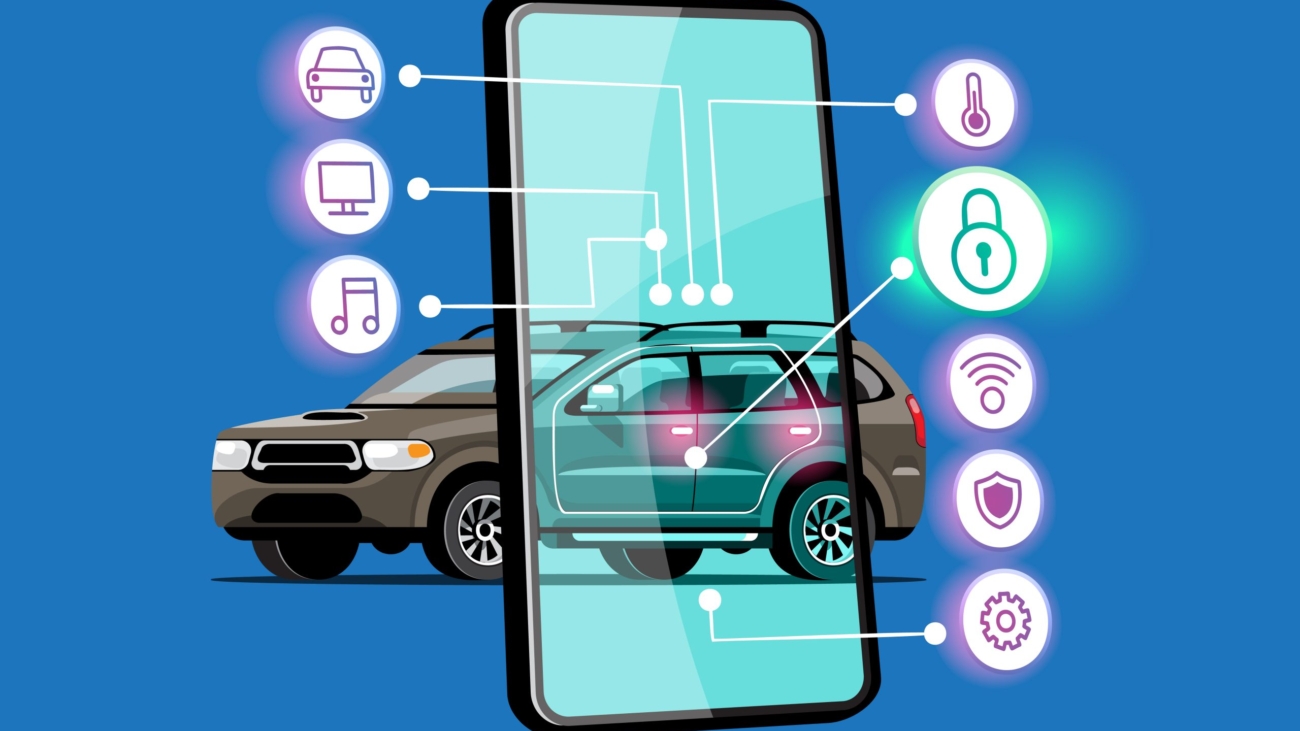
Connected vehicles can exchange information with mobile applications, cloud services, charging networks, and other digital platforms. These capabilities may support remote diagnostics, vehicle-status monitoring, and personalized settings.

At the same time, connectivity raises questions about personal information. Vehicle data may reveal travel patterns, usage habits, and other details that owners may not expect to share.

Understanding privacy settings, account permissions, and data-sharing practices is becoming part of responsible vehicle ownership.

The Balance Between Innovation and Simplicity

Digital technology can make vehicles more capable, but additional complexity does not automatically create a better driving experience. A system is valuable when it works reliably, communicates clearly, and supports the driver’s actual needs.

The next stage of automotive development will depend on integrating software without losing sight of the fundamentals: predictable vehicle behavior, intuitive controls, dependable performance, and safety.

The car of the future may resemble a sophisticated computer, but its most important job will remain unchanged. It must transport people reliably while helping them stay informed, attentive, and in control.